Introduction
When it comes to maintaining a lush and vibrant green lawn, the choice of fertilizer can significantly impact your results. For years, chemical fertilizers have been the go-to solution for many homeowners looking to achieve that perfect lawn. However, as we move towards more sustainable practices in landscaping, using compost as an organic fertilizer alternative on lawns has gained popularity. Not only is compost environmentally friendly, but it also enriches the soil in a way that promotes healthier grass growth.
In this article, we'll delve deep into the benefits of compost, how to use it effectively, and why it's an excellent alternative to traditional fertilizers. We'll explore everything from the science behind composting to practical tips for incorporating it into your lawn care routine. So grab a cup of coffee and get ready to transform your lawn naturally!
Understanding Compost and Its Benefits
What is Compost?
Compost is decomposed organic matter that serves as a natural fertilizer for plants. Composed of materials like kitchen scraps, yard waste, and other biodegradable materials, compost provides essential nutrients for soil health.
The Nutrient Profile of Compost
Compost is often rich in nitrogen, phosphorus, and potassium—key nutrients necessary for healthy plant growth. Additionally, it contains micronutrients that are vital for grass health.
Environmental Impact: Why Choose Compost?
Using compost contributes positively to the environment by reducing landfill waste and lowering greenhouse gas emissions. It’s a win-win situation where you can enhance your lawn while caring for our planet.
How Does Compost Benefit Lawn Care?
Soil Structure Improvement: Compost improves soil aeration and drainage. Water Retention: It helps retain moisture, reducing the need for frequent watering. Microbial Activity: A thriving microbial community in compost boosts nutrient availability. pH Balance: Compost can help neutralize overly acidic or alkaline soils.Using Compost as an Organic Fertilizer Alternative on Lawns
The Transition from Chemical to Organic Fertilizers
Transitioning from chemical fertilizers to compost is not just beneficial; it's essential for long-term soil health. It may seem daunting at first—after all, who doesn't want immediate results? But with patience and proper application techniques, you'll find that your lawn thrives with organic fertilization.
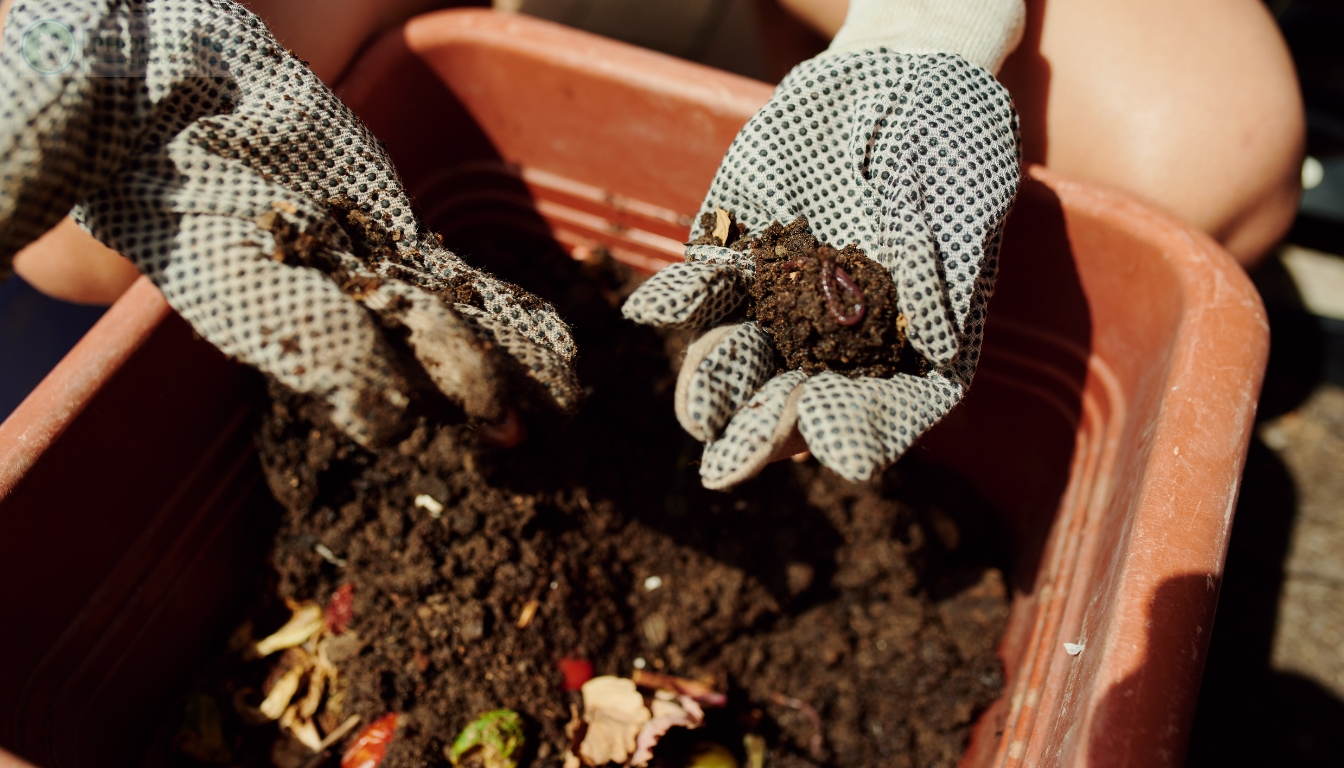
How to Make Your Own Compost
Making your own compost doesn’t require advanced skills; anyone can do it! Here’s how:
1. Gather Materials
- Kitchen scraps (vegetable peels, coffee grounds) Yard waste (grass clippings, leaves) Brown materials (dry leaves, cardboard)
2. Create Layers
Layer your materials in a compost bin or pile:
- Start with coarse materials (twigs or straw) at the bottom for aeration. Alternate green (nitrogen-rich) and brown (carbon-rich) layers.
3. Maintain Your Pile
- Turn your pile every few weeks to add oxygen. Keep it moist but not soggy.
4. Harvest Your Compost
After http://dethatchergixf163.iamarrows.com/how-to-prepare-your-lawn-for-winter-maintenance-tips-you-need several months of decomposition, you’ll have rich black gold ready for use!
How Much Compost Should You Use on Your Lawn?
Recommended Application Rates
Using too much compost can lead to nutrient overload; thus moderation is key! Generally speaking:
- For established lawns: Apply 1/4 inch layer once or twice a year. For new lawns: Mix 1/3 compost with soil before seeding or sodding.
Timing Your Applications
The best times to apply compost are during spring and fall when grass is actively growing.
Integrating Compost into Lawn Care Routine
Combining Lawn Cutting with Compost Application
Did you know that timing your lawn cutting can enhance the effectiveness of composting? Mowing before applying compost allows better contact with the soil surface.
Techniques for Effective Lawn Fertilization
When applying compost:
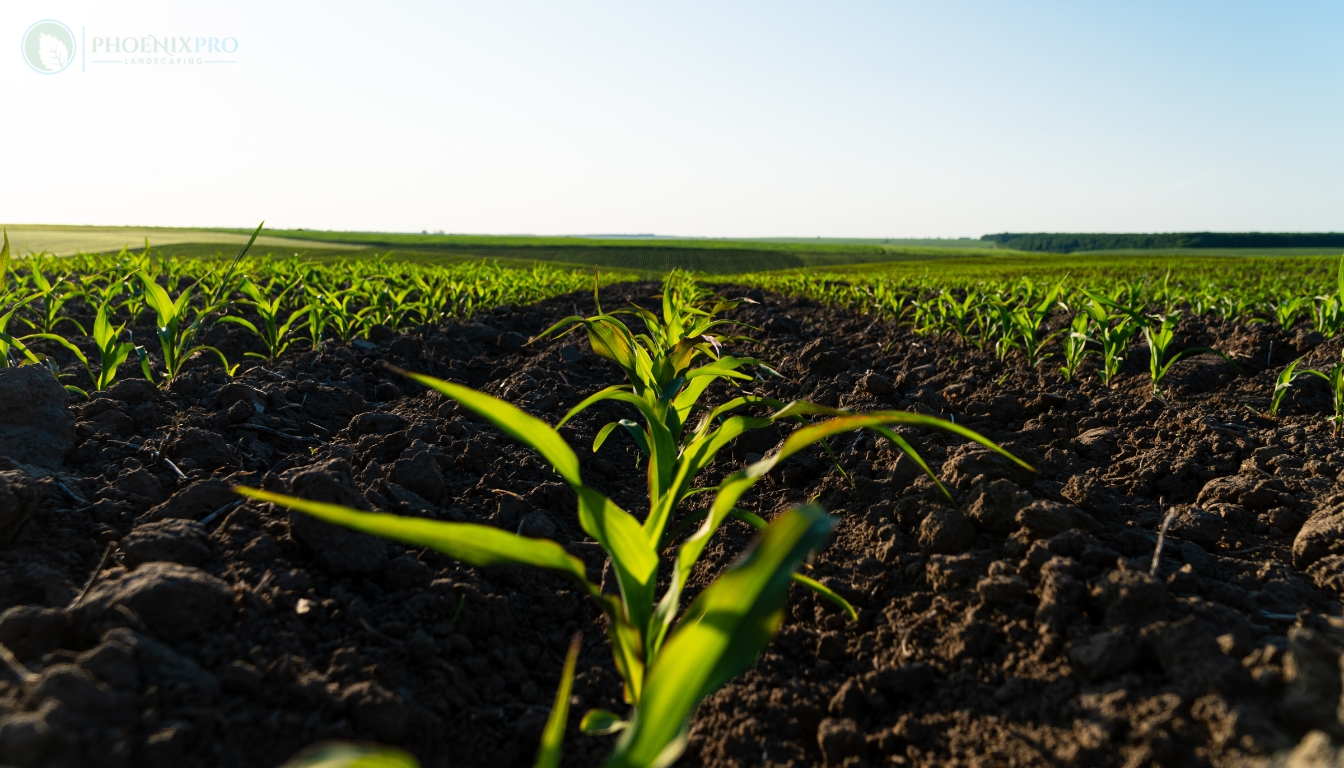
- Use a shovel or spreader for even distribution. Water lightly after application to help incorporate nutrients into the soil.
The Role of Lawn Care Services in Utilizing Compost
Why Hire Professionals?
If you're feeling overwhelmed by DIY techniques or simply don’t have time, hiring a professional lawn care service can be beneficial. They are equipped with knowledge about optimal application rates specific to different grass types.
What to Expect from Lawn Care Services
When working with landscaping professionals:
- Expect customized plans incorporating organic methods like using compost. Look for certifications indicating expertise in sustainable practices.
Common Misconceptions About Using Compost
Is All Compost Created Equal?
Not really! Quality matters when choosing what type of compost to use. Homemade versus store-bought can vary greatly in nutrient content and breakdown speed.
Will Using Too Much Compost Hurt My Lawn?
While beneficial in moderation, over-applying can lead to excessive nitrogen levels causing "burn."
FAQs About Using Compost as an Organic Fertilizer Alternative on Lawns
Is using compost better than chemical fertilizers?- Yes! While chemical fertilizers offer quick results, they often harm long-term soil health compared to nutrient-rich organic options like compost.
- Absolutely! Mixing it into the soil before seeding enhances seed germination success rates significantly.
- Depending on conditions like heat and moisture levels, it usually takes between two months up to two years!
- Yes! A thick layer of quality compost inhibits weed growth due to its density while providing nutrients needed by desired plants.
- Signs include yellowing grass color or poor growth patterns; conducting a simple soil test may also help identify deficiencies accurately!
- It's advisable not unless you're carefully controlling quantities since combining them may lead nutrient overloads detrimental over time!
Conclusion
In conclusion, embracing using compost as an organic fertilizer alternative on lawns can significantly elevate your landscaping game while contributing positively towards sustainability efforts within our communities! By understanding how beneficial this practice is—from improving soil structure right down through effective application techniques—you’re empowered with knowledge that transforms both home aesthetics & environmental impact alike!
So why wait? Start incorporating quality homemade or store-bought compost into your regular lawn care routine today; witness firsthand how nature rewards patience & diligence through flourishing greenery around you!